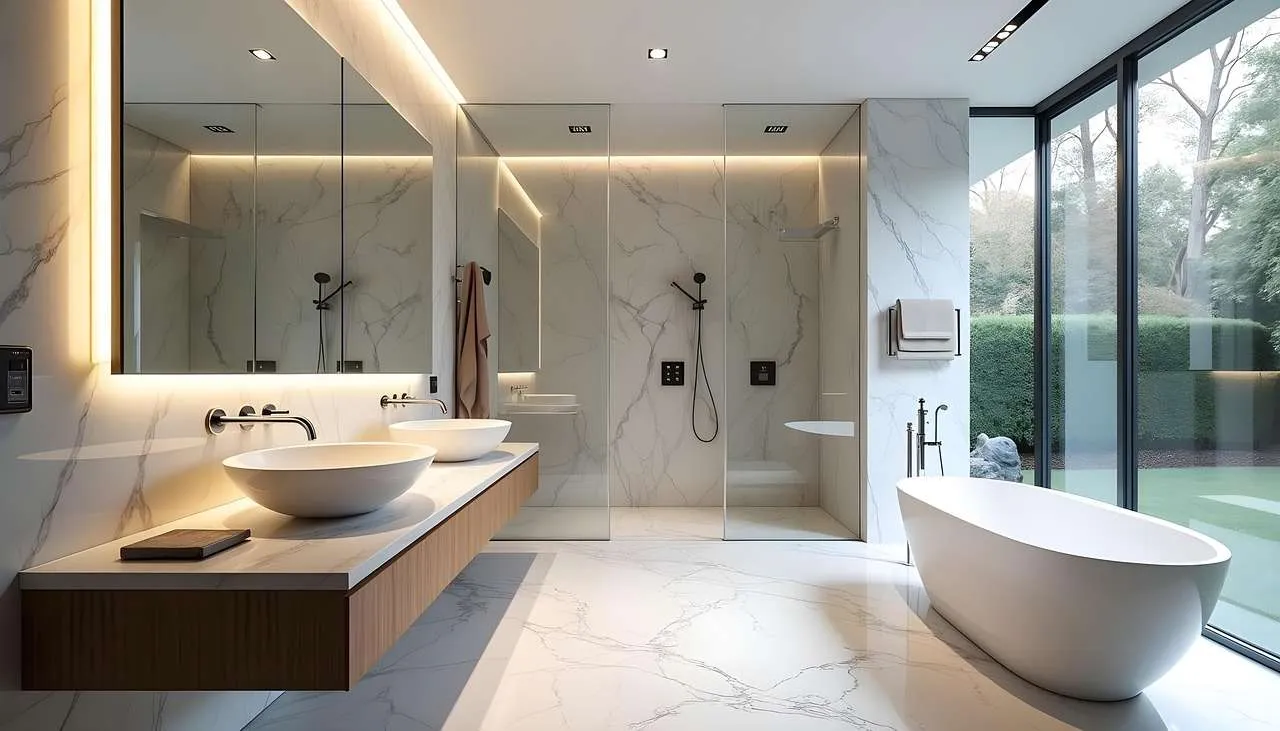
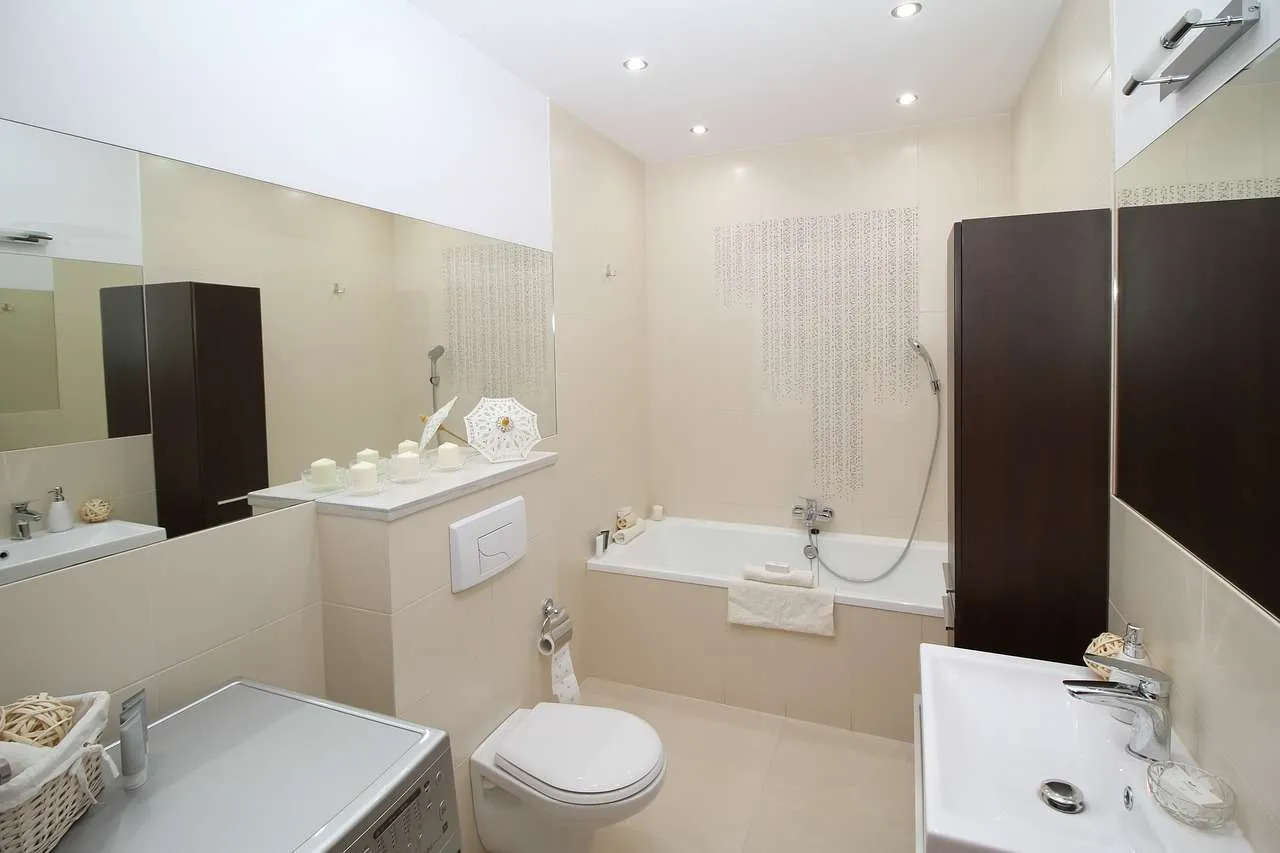
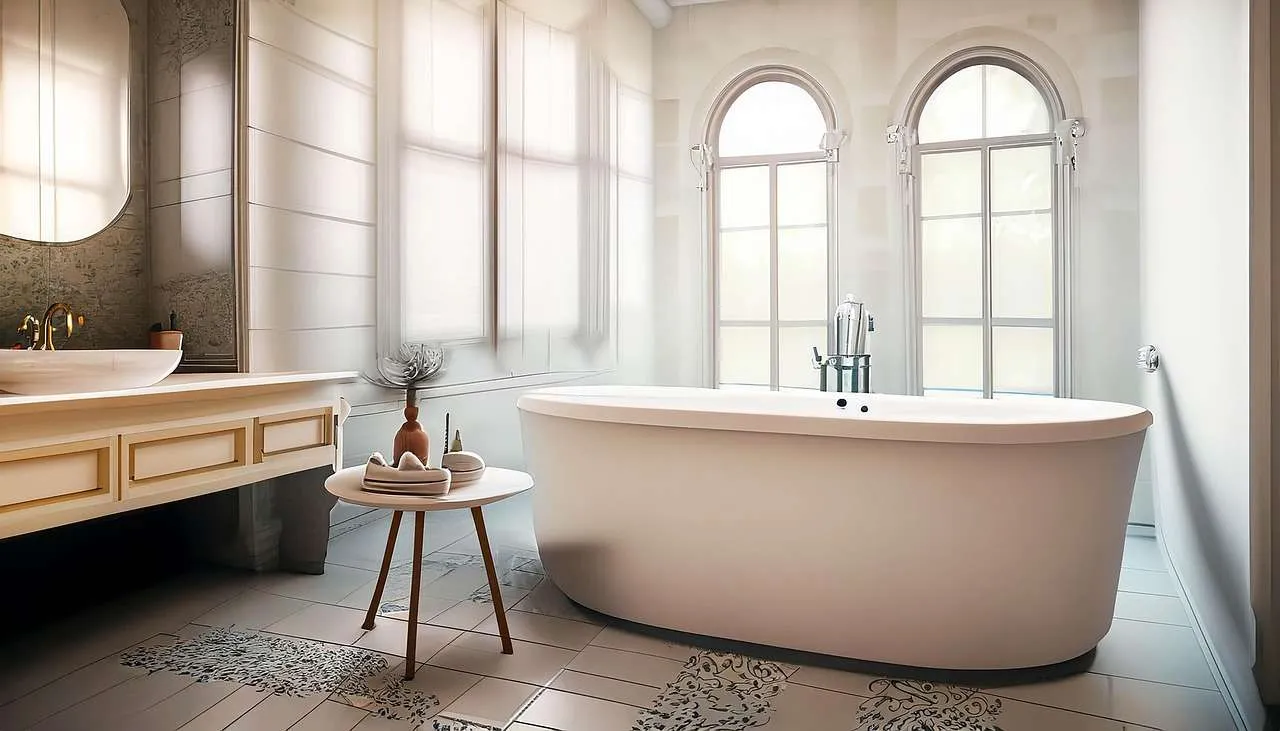
Choosing bathroom tiles is more than color and pattern; it shapes how a bathroom feels and performs. From moisture resistance to ease of cleaning, the right tiles combine aesthetics with durability. This guide follows best practices trusted by designers and licensed installers, helping you select, lay out, and care for bathroom tiles with confidence.
Choosing the Right Bathroom Tiles
Moisture exposure, slip resistance, porosity, and maintenance drive the decision. For small bathrooms, opt for lighter colors and larger formats to create a sense of space. In showers or wet zones, choose tiles with good water absorption ratings and ensure proper waterproofing beneath the substrate. Coordinate with fixtures and trim sizes to maintain a cohesive look that stands up to daily use.
Popular Tile Materials
Common bathroom tile materials include ceramic, porcelain, natural stone, and glass. Ceramic is affordable and versatile for walls and light traffic floors. Porcelain offers higher density and lower porosity, making it a strong choice for floors and showers. Natural stone adds luxury but requires sealing and periodic maintenance. Glass tiles provide brightness and reflective surfaces that work well as accents or backsplashes. A professional can advise on the best mix for your climate and budget.
Ceramic vs Porcelain
Ceramic tiles are easier to cut and install and typically cost less. Porcelain tiles are denser, more water resistant, and durable for high-traffic zones. When selecting porcelain, look for a water absorption rate below 0.5 for best performance in wet areas.
Sizes, Patterns and Layouts
Tile size impacts perception and maintenance. Large format tiles reduce grout lines and create a streamlined look, while small mosaics offer grip in showers. Popular layouts include subway runs for a classic vibe and herringbone or diagonal patterns for visual interest. In tight spaces, use longer, rectangular tiles on a diagonal to create depth.
Durability, Installation and Maintenance
Substrates must be flat and clean, with proper waterproofing in wet zones. Grout choices range from epoxy to cement-based; epoxy is stain-resistant but costly and requires skilled installation. Routine maintenance includes sealing natural stone and cleaning with pH-neutral cleaners to protect grout and tile surface.
Maintenance and Care
Daily wipe-down to prevent soap scum, a periodic grout refresh, and prompt repairs prevent staining and cracking. Use doormats and sealing where needed in high moisture areas to extend tile life.
Cost, Budget and Where to Buy
Prices vary by material, size, and layout. Ceramic and porcelain offer strong value, while natural stone and glass add premium beauty. Plan for installation, underlayment, waterproofing, and waste disposal in your budget. Reputable suppliers and showrooms can provide samples and professional referrals.
Comparison of Common Bathroom Tile Types
| Tile Type | Durability | Cost | Maintenance | Best For |
|---|---|---|---|---|
| Ceramic | Moderate | Low | Easy, stain-resistant | Walls and light-traffic floors |
| Porcelain | High | Moderate | Low porosity, easy to clean | Floors and showers |
| Natural Stone | Variable | High | Sealing required | Luxury bathrooms |
| Glass | Moderate | High | Stain-resistant, easy to clean | Accents and backsplashes |
Summary and planning guidance
Final Tips
- Check slip resistance ratings for floor tiles, especially in wet areas
- Budget for professional installation and waterproofing
- Ask for warranty details on tiles and grout
Conclusion, selecting bathroom tiles blends aesthetics and function. Material choice, tile size, layout, and maintenance all influence look and longevity. Work with a licensed installer, verify waterproofing, and establish a simple cleaning routine to ensure your bathroom tiles stay beautiful for years.