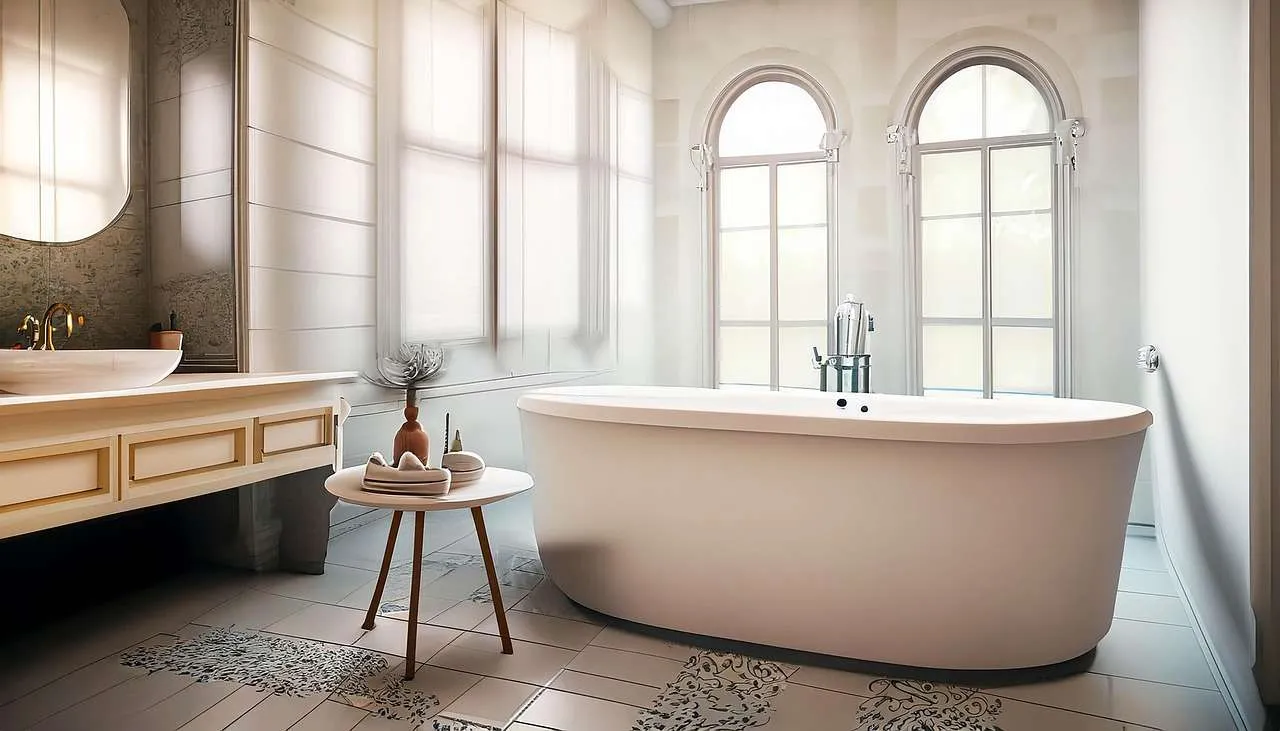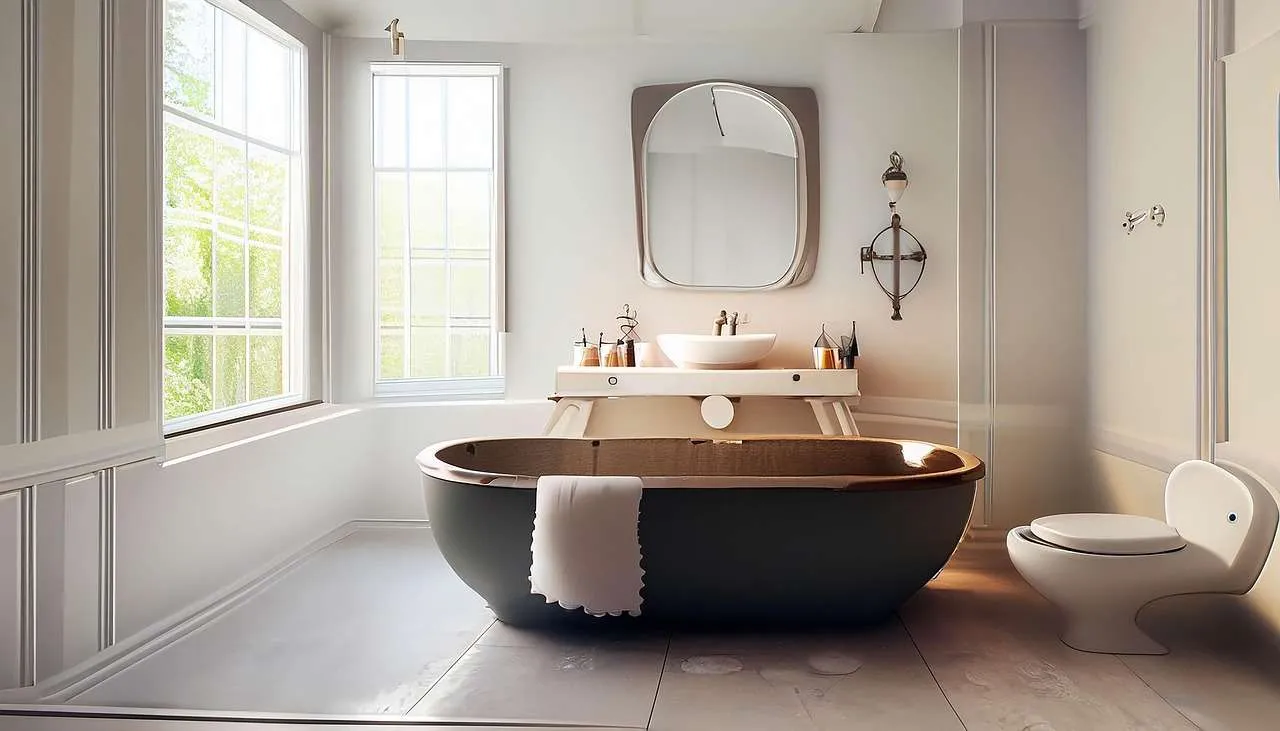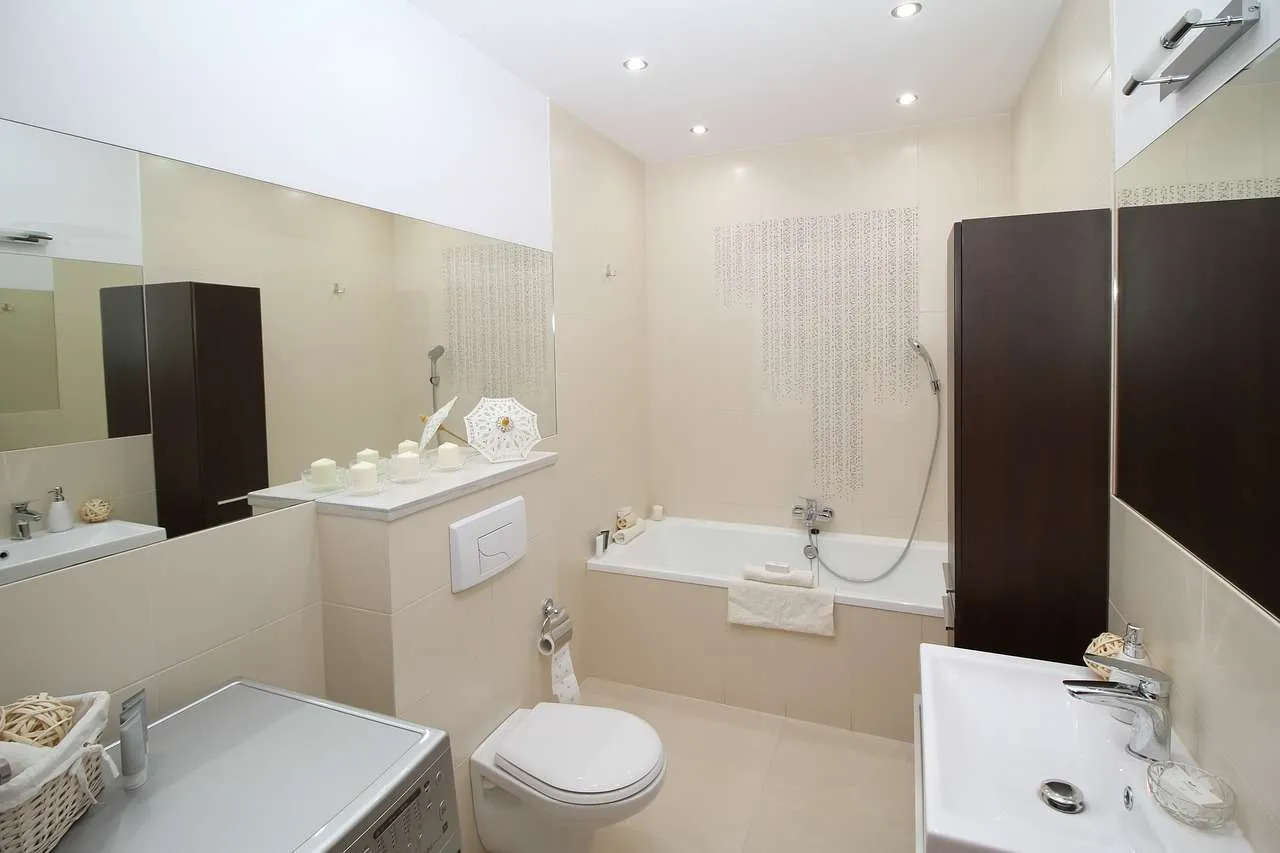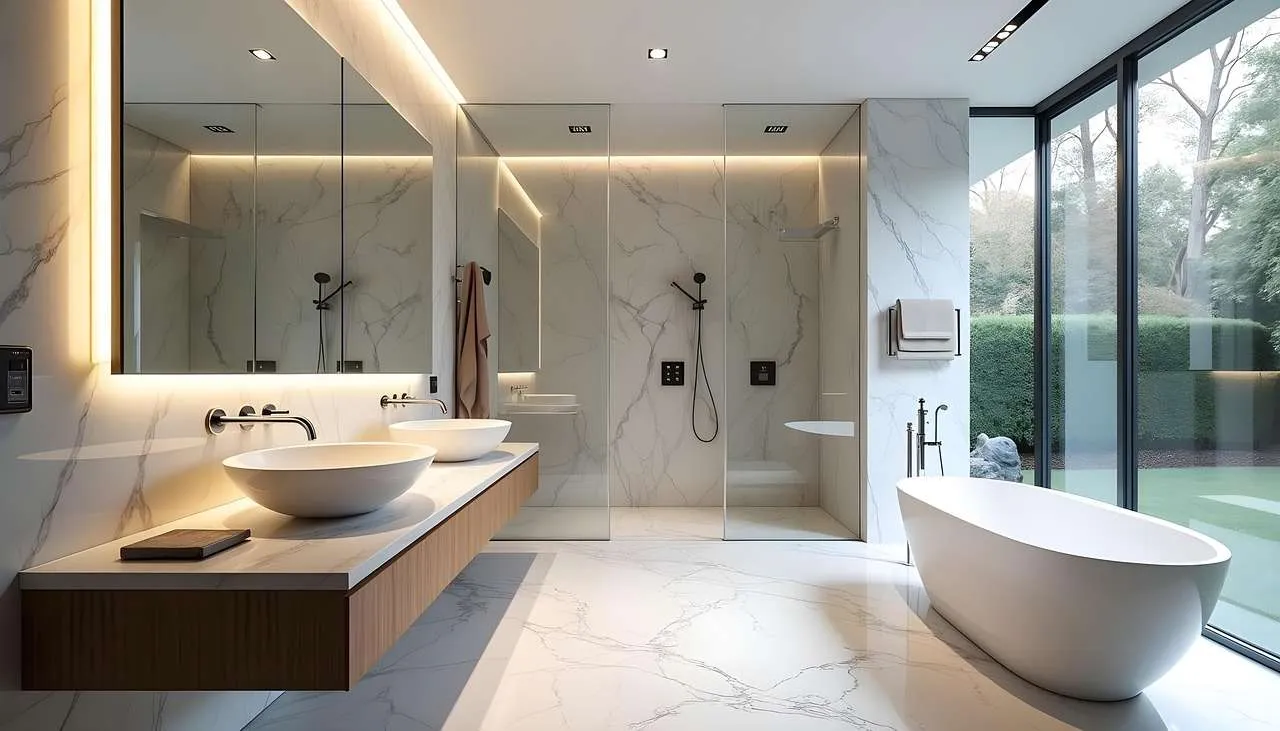
From design to daily use, the bathroom tile you choose sets the tone for durability, ease of maintenance, and style. As a seasoned tile installer and interior designer with over ten years of experience, I’ve helped homeowners select materials that withstand humidity, routine cleaning, and high traffic while still looking fresh. This guide covers the main tile types, how to compare options, installation basics, and maintenance strategies to help you make an informed choice.
Types of Bathroom Tile
Ceramic Tile
Ceramic tiles are a budget-friendly option made from clay and baked to a glazed finish. They’re lightweight, available in a wide range of colors and patterns, and easy to cut for layouts. The glaze provides water resistance, but the body is softer than porcelain, so heavy wear can show through more quickly in high-traffic bathrooms or wet areas.
Porcelain Tile
Porcelain is a dense, water-resistant ceramic with a low water absorption rate. It’s ideal for floors and showers due to its strength and durability and comes in both glazed and unglazed (through-body) varieties. Porcelain tiles can replicate natural stone or classic ceramic looks while offering excellent stain resistance and longevity.
Natural Stone Tile
Natural stone such as marble, travertine, or slate brings luxe texture and unique veining. They require sealing and ongoing maintenance to protect against moisture and staining. For showers and wet zones, select honed or textured finishes to reduce slipperiness, and plan for maintenance to preserve color and shine.
Glass and Cement Tiles
Glass tiles reflect light and add sparkle, frequently used as accent walls or backsplashes. They’re non-porous and easy to clean but can be slippery when wet and may show soap residue. Cement tiles offer bold patterns and color but require sealing and careful upkeep to prevent staining and efflorescence over time.
Choosing the Right Tile for Your Bathroom
Start with the room’s function: floors demand slip resistance, while walls can prioritize aesthetics with lighter or patterned tiles. Consider grout color; a grout that matches the tile hides dirt, while a contrasting grout can elevate a pattern. Determine tile size: larger tiles reduce grout lines and can visually enlarge a small bathroom, while smaller tiles offer better traction in shower floors.
- Slip resistance: Look for a dynamic coefficient (DCOF) rating suitable for wet areas.
- Maintenance: Glossy vs matte finishes affect cleaning frequency and stain visibility.
- Color and style: Neutral tones create calm spaces; bold patterns add personality.
- Substrate and waterproofing: Ensure proper substrate prep and waterproof membranes to extend tile life.
Tile Sizes, Patterns, and Layouts
Tile size and layout dramatically impact the perceived size and style of a bathroom. Large-format tiles (12x24 inches or bigger) create a seamless, spa-like look with fewer grout joints. In smaller baths, 4x4 or 6x6 mosaic patterns on floors can improve slip resistance and reduce the risk of cracking in uneven subfloors. Patterned borders, herringbone layouts, and vertical running bonds offer visual interest when used as accents rather than full-room coverage.
Durability, Maintenance, and Longevity
Durability depends on the tile material, glaze, and installation quality. Porcelain and unglazed stone require proper sealing and periodic resealing. Regular cleaning with non-abrasive cleaners prevents dulling and keeps grout looking new. For showers, use water-softening strategies or squeegees to reduce mineral buildup. Plan for a professional re-grouting when grout lines begin to crumble or stain beyond cleaning.
Installation Essentials and Expert Tips
Preparation matters more than the tile choice. Inspect the substrate, fix any movement, and install a suitable waterproof membrane behind the tile in wet zones. Use premium thin-set mortar appropriate for tile type and indoor humidity. Maintain consistent grout width and choose epoxy grout for high-traffic, wet bathrooms to maximize stain resistance. If you’re not experienced, hire a licensed contractor who can ensure proper waterproofing and leveling, which are critical for long-term performance.
Design Trends and Practical Ideas
Today’s bathrooms blend textures and light. Matte finishes in soft neutrals with subtle veining on porcelain or ceramic create timeless appeal. Glass mosaics as backsplashes or shower niches add shine without overpowering the space. Large-format stone-look tiles offer luxury with practicality when paired with color-coordinated grout and minimal grout lines. Accent niches, border tiles, or a bold shower panel can become focal points while staying functional.
Comparison at a Glance
| Tile Type | Pros | Cons | Best For | Maintenance |
|---|---|---|---|---|
| Ceramic | Affordable, broad range of colors/designs | Soft body; chip risk in high traffic | Walls, bathrooms on a budget | Low to moderate; clean with non-abrasive cleaners |
| Porcelain | Durable, water-resistant, versatile | Heavier; can be pricier to cut | Floors, showers, wet rooms | Low porosity; sealant optional for glazed |
| Natural Stone | Timeless luxury, unique veining | Sealing required; variable stains | Showers and accent areas | Periodic sealing; pH-neutral cleaners |
| Glass | Reflects light; brightens small spaces | Slippery when wet; can show water spots | Backsplashes, accents | Easy to clean; soap-film management |
Final Expert Guidance
From a practical standpoint, pairing a durable tile with a compatible grout and solid waterproofing yields the best long-term results. My experience shows that the return on investment comes not only from aesthetics but from a properly prepared substrate, waterproofing, and careful sealing schedule. When in doubt, consult a licensed tile contractor and request references, warranties, and a written scope of work to protect your project.
Maintenance Checklist
Keep a simple routine: wipe down walls after showers, vacuum or sweep to minimize grit, and reseal stone surfaces per manufacturer guidelines. Use mats at entryways to reduce wear on floor tiles. For grout, clean with pH-balanced cleaners and plan periodic re-grouting or sealant refresh for high-use areas.
Conclusion
Conclusion, choosing bathroom tile balances aesthetics and function. Ceramic and porcelain offer durability and variety, natural stone adds luxury with maintenance, and glass brightens spaces. Size, pattern, and layout influence space perception, while proper installation and waterproofing safeguard longevity. With a clear maintenance plan, you’ll enjoy a stylish, durable bathroom that stands the test of time.