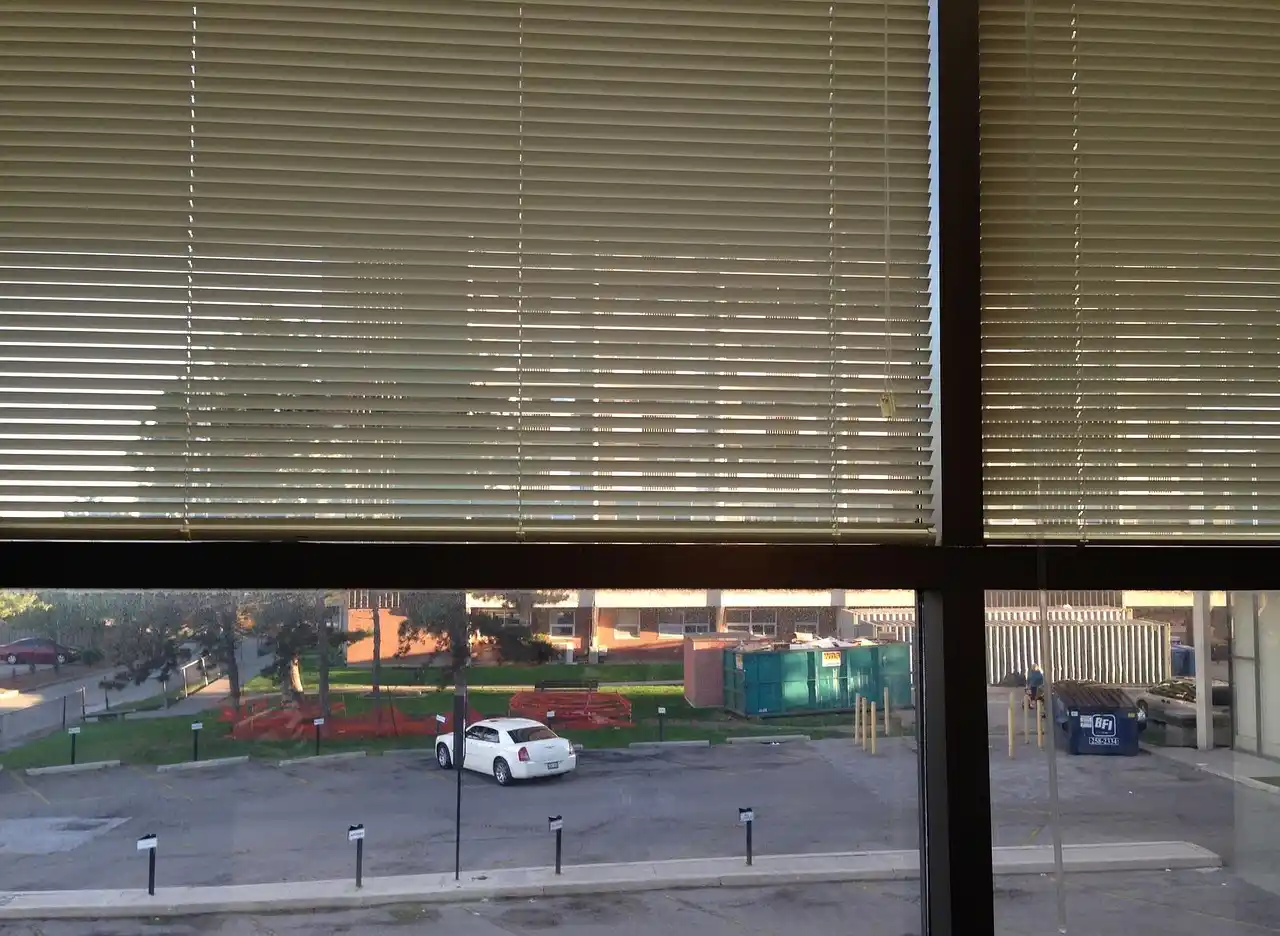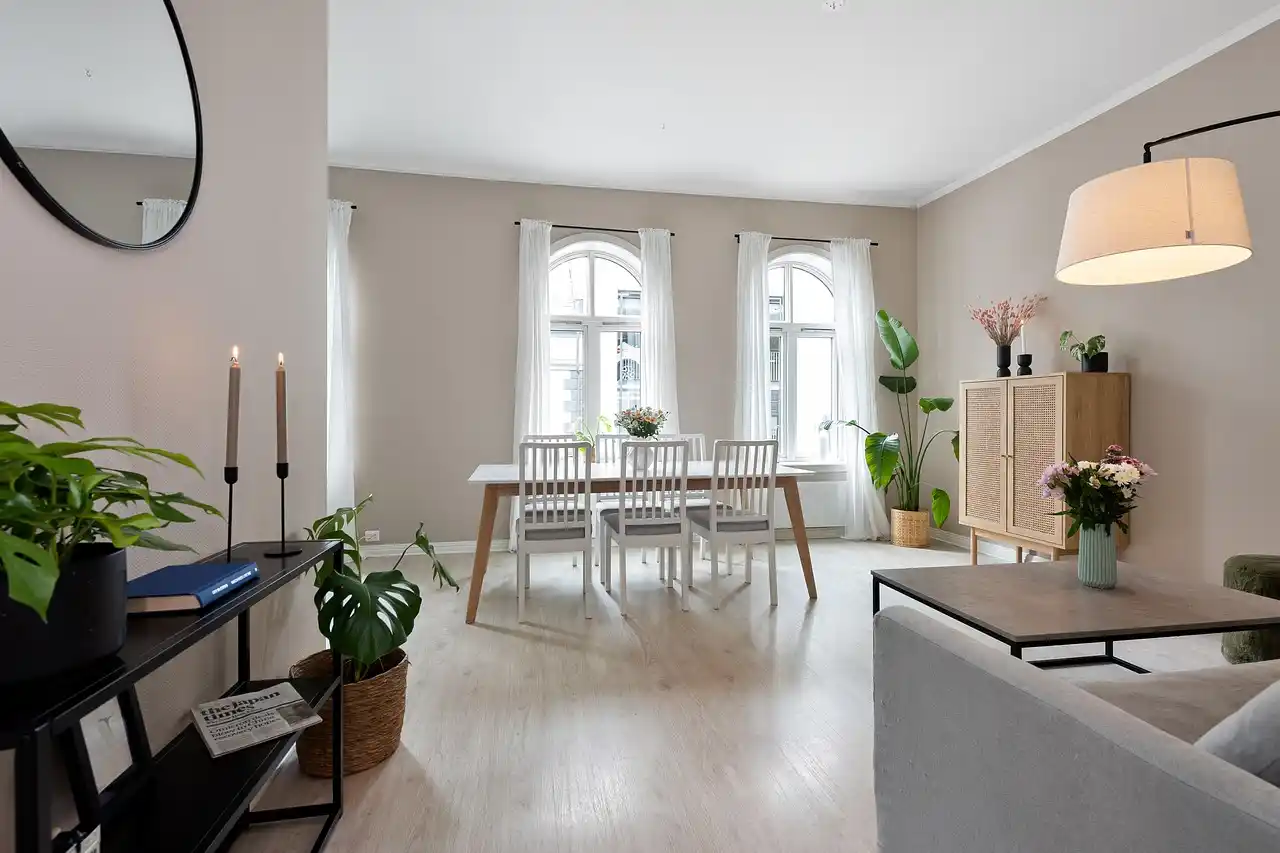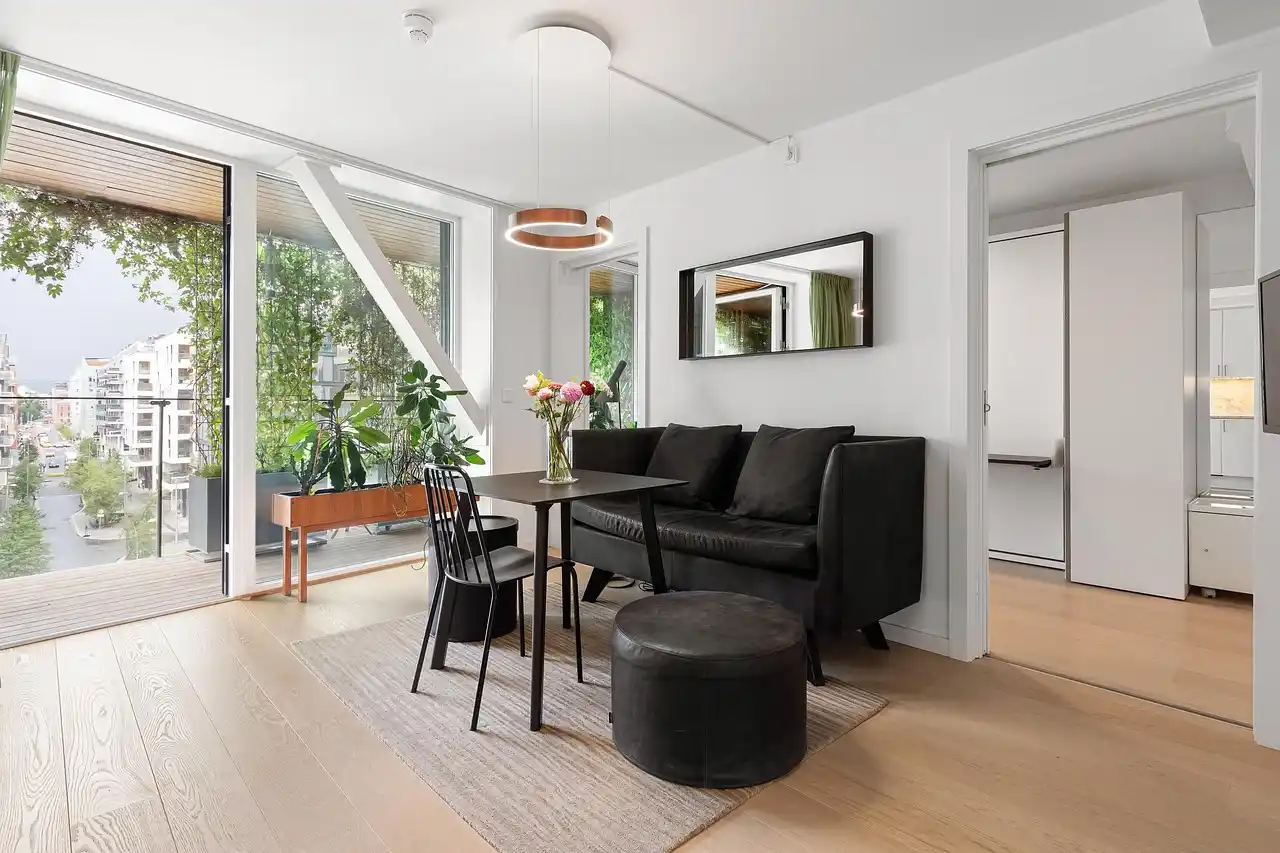
Home window tinting is a practical upgrade that improves comfort, energy efficiency, and privacy in modern homes. This guide covers what window tinting is, the benefits, the common film types, how to choose the right film, installation considerations, and maintenance tips. By understanding options, you can make an informed decision that aligns with your climate, home style, and budget.
What is home window tinting?
Window tinting uses a thin film applied to interior glass panes to reduce heat, glare, and UV exposure. Modern window films are designed to be durable, optically clear, and resistant to scratching. The film sits on the surface or between layers in insulated units and can be installed on most residential windows, including double pane units.
Benefits of home window tinting
Window tinting delivers several practical advantages:
Energy efficiency and comfort
Tinted windows reduce solar heat gain, helping keep interiors cooler in summer and protecting HVAC systems from overwork. This can translate into lower energy bills and more even indoor temperatures.
UV protection and glare reduction
Quality films block most of the sun's UV rays, protecting furnishings and reducing glare for screens and tasks. UV rejection helps slow fading and skin exposure risk.
Privacy and aesthetics
Tint levels provide privacy during the day without heavy curtains. Films range from nearly clear to dark, complementing architectural style while maintaining exterior curb appeal.
Safety and security
Some films hold glass together when shattered, reducing the risk of injury and offering a deterrent to break-ins. Modern films with interlayers improve safety without sacrificing light.
Types of window films
There are several common film categories, each with pros and cons. The most popular include dyed, metalized, ceramic, carbon, and hybrid films. Consider performance, price, and compatibility with your windows.
| Film Type | Pros | Cons | Typical Cost |
|---|---|---|---|
| Dyed | Low cost, good glare reduction | Fades over time, lower UV protection | Low |
| Metalized | Excellent heat rejection, strong durability | Potential signal interference, can appear shiny | Medium |
| Ceramic | High heat rejection, clear light transmission | Higher cost | High |
| Carbon | Natural color, strong UV protection, good aesthetics | Moderate cost, can darken over time | Medium |
| Hybrid | Balanced performance, fewer drawbacks | Moderate cost | Medium |
How to choose the right film
Begin with your climate, window orientation, and local regulations. For sunny climates, prioritize high heat rejection and UV protection, while in cooler areas you may focus on glare control and comfort. Determine an appropriate light transmission level by checking VLT values; typical residential films range from 25 to 70 percent VLT. If privacy is key, you can select a film with a higher glare reduction but maintain good visibility from inside out during daytime.
Installation considerations
While some homeowners try DIY tinting, professional installation is recommended for best results. A certified installer will prepare the glass, remove bubbles, use proper tools, and apply a warranty. DIY kits may save upfront cost but increase risk of peeling, hazing, or improper adhesion. Ensure windows are clean, smooth, and free of defects before application.
Costs and maintenance
Costs vary by film type, window size, and labor. Expect a typical range per square foot for residential installations, plus possible travel fees for small projects. Maintenance is straightforward: clean with a soft cloth and mild cleaner, avoid abrasive materials, and address any bubbling or edge lifting promptly by contacting the installer. Most films require minimal ongoing maintenance and carry warranties from ten years to lifetime depending on the brand and category.
Safety and legality considerations
Some jurisdictions set limits on the darkness of residential tint, especially on the lower levels. Check local building codes and regulations if you have tinted glass near entrances or ground floors. A reputable installer will ensure compliance and provide documentation for home improvement records. If you have dual-pane or high performance glass, insist on heat strengthening films tested for compatibility to avoid issues with windows or sensors.
Summary: Home window tinting offers tangible benefits from energy savings to enhanced privacy and safety. By understanding film types, selecting the right level of light, and working with a qualified installer, homeowners can improve comfort, protect interiors, and preserve curb appeal while staying compliant with regulations.